
Replacing a furnace and central air conditioner at the same time costs $5,000 to $12,500, with an average near $7,500, according to Angi’s 2026 HVAC replacement figures. That is a national planning range for a standard split system with a gas furnace. It is not a quote, and the top end moves fast once you add high-efficiency equipment, ductwork repairs, or a hard-to-access install.
If you came here from our single-system pages, the numbers will look lower than adding them up. We explain why below, along with what to ask for when you are quoted a whole system, and when it makes sense to replace only half.
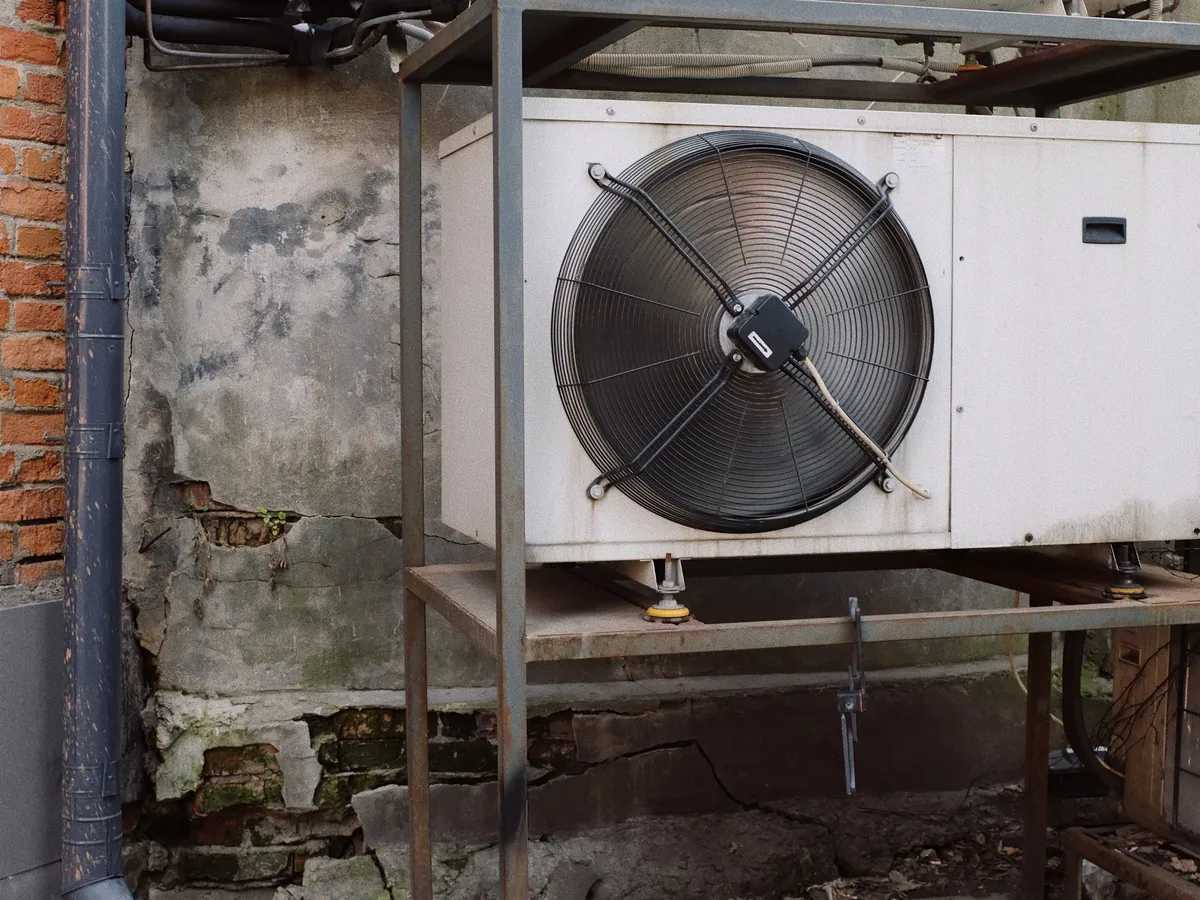
What a Full System Costs by Tier
Contractor guides that cite Angi’s data break the combined range into tiers:
| Tier | Typical installed cost | What it usually means (our shorthand) |
|---|---|---|
| Basic | $5,000 - $8,000 | Standard-efficiency furnace and AC, existing ducts reused |
| Mid-range | $7,000 - $10,000 | Matched system, better efficiency or two-stage equipment |
| Larger or higher efficiency | $9,000 - $12,500 | Bigger home or premium efficiency ratings |
| Premium | $12,500 - $18,000+ | Modulating or variable-speed equipment, ductwork changes |
The first three tiers match Angi’s combined range. The premium tier is reported by a contractor-cost guide that also cites Angi, so treat it as a ceiling estimate, not a measured average. One other cost site, HVACProjectCost, gives a higher overall range of $7,000 to $18,000 and says equipment is 50% to 60% of the total with labor making up the rest. That is a single-source figure with no cited data, so we use Angi as the anchor and treat the rest as context.
Angi puts labor for a combined job at about $1,500 for planning purposes. Permits, thermostat changes, and electrical work come on top.
Why This Is Lower Than Our Single-System Guides
Our gas furnace replacement guide lists $4,000 to $9,500 and our central AC replacement guide lists $5,500 to $12,000. Added together that is $9,500 to $21,500 (our arithmetic), well above Angi’s combined range.
The likely reasons, which are our interpretation and not published findings:
- Our single-system ranges are full-scope. They include the evaporator coil, venting, line-set work, and permits as separate items, each priced for a stand-alone visit.
- Angi’s combined range reflects one mobilization and shared labor, plus a lot of basic-tier installs.
- The ends of the ranges are not additive. The cheapest furnace job and the cheapest AC job do not happen to the same house on the same day.
The practical read: if you get a whole-system quote under $7,000, check it is a matched coil and condenser with the permit included. If it is over $14,000, ask which tier you are buying.
Regulations That Affect What You Buy
Three rules shape the equipment you can choose.
Cooling efficiency is regional. Under the U.S. Department of Energy’s standards effective January 1, 2023, split-system central AC under 45,000 Btu/h must meet a minimum of 13.4 SEER2 in the North and 14.3 SEER2 in the Southeast and Southwest. Your contractor should know which region you are in.
Refrigerant has changed. EPA states that manufacturing and importing residential and light-commercial air conditioning products that use R-410A has been prohibited since January 1, 2025. New systems use lower-flammability A2L refrigerants such as R-454B. EPA has adjusted installation deadlines for older stock more than once, so ask what refrigerant the quoted equipment uses and what the install date allows. One price guide (RealCostIQ) estimates the A2L transition adds roughly 10% to 15% to cooling equipment costs. We could not verify that with a neutral source, so use it only as a prompt to ask your contractor.
Furnace minimums. The federal minimum for non-weatherized gas furnaces is 80% AFUE, a standard in place since 2015. Whether 90%+ pays for itself depends on your heating season, which we work through in the furnace guide.
Also note the federal 25C efficiency tax credit ended on December 31, 2025, so ignore any pitch that includes it.
Should You Replace Both at Once?
Age is the cleanest test. ENERGY STAR flags central AC past 10 years and furnaces past 15 years as replacement candidates. A Trane estimate repeated in contractor guides puts AC life at about 15 years and furnaces at 15 to 20, described as planning numbers and not expiration dates.
| Situation | Our take |
|---|---|
| Both 15+ years old | Replace both. Pay the labor once. |
| Furnace 17+, AC under 8 | Replace the furnace now, but verify the new furnace is compatible with the existing coil and condenser. |
| AC fails, furnace 12 to 14 | Price both. The furnace will probably need replacing within a few winters, so the bundle premium is small. |
| Furnace fails, AC under 8 | Replace the furnace alone if the coil is compatible. |
| Either one needs a $1,500+ repair | Run the age-times-cost rule in our AC repair cost and furnace repair cost guides first. |
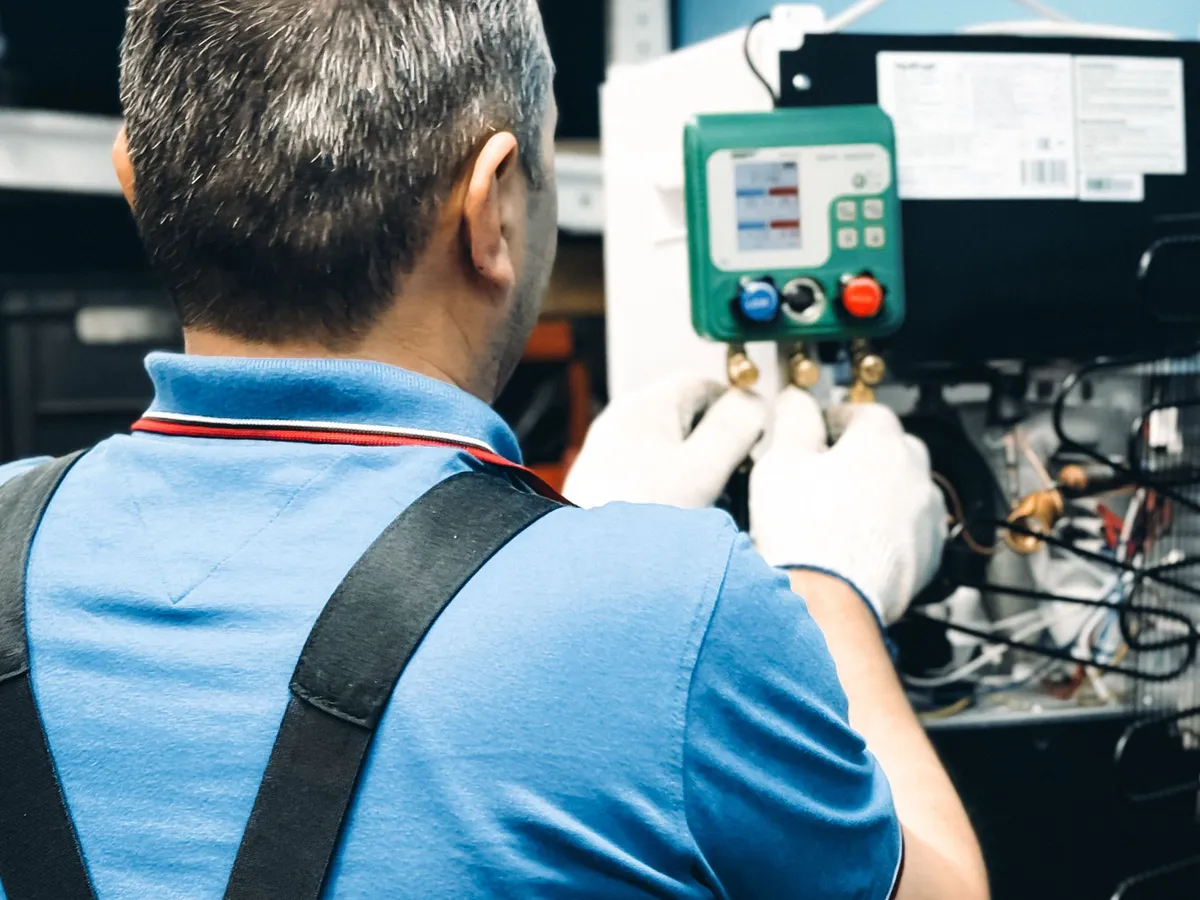
Bundling pays because the shared pieces get done once: the plenum and coil connection, the thermostat and control wiring, the permit visit, and disposal. HVACProjectCost claims bundling saves $500 to $2,500 over separate jobs. That is one site’s claim, not an audited figure, and the savings are real only if the quote shows a single mobilization.
Questions to Ask Before You Sign
- Is the evaporator coil included and matched? A new condenser on an old coil is a common way to make an AC quote look cheaper.
- What load calculation did you use? Ask for a Manual J, not a “same size as before.”
- What are the AFUE and SEER2 ratings for each piece, by model number? “High efficiency” is not a rating.
- What happens to the ducts? If the ducts leak or are undersized, new equipment will not fix comfort problems. See ductwork replacement cost before agreeing to a whole-system price that ignores them.
- Are permits, disposal, and refrigerant recovery in the price? Get it in writing, as covered in contractor quote red flags.
Alternatives Worth Pricing
If the furnace is the aging half, one heat pump can replace both the furnace and the AC. Our heat pump installation cost guide covers the price range, and the heat pump payback calculator lets you test your own gas and electric rates. For houses without ducts or with one problem zone, mini split vs central air is the comparison to read.
Bottom Line
Budget $5,000 to $12,500 for a standard furnace-and-AC replacement, with $7,500 as the typical figure, and expect higher numbers for premium equipment or duct work. Replace both when both are past their useful ages, confirm the coil match, and get three itemized quotes. Do not let a low number or a federal-credit claim stand in for the model numbers.
FAQ
How long does a full HVAC system replacement take?
Contractors commonly schedule a standard furnace-and-AC swap as one to two days. We have no neutral source for that, so treat it as an estimate. Ductwork changes, new gas or electrical lines, or a tricky attic install can stretch it. The permit inspection usually happens separately, a few days later.
Is it cheaper to replace the furnace and AC at the same time?
Often yes, because labor, the permit, and the control wiring are done once. Angi describes combined replacement as avoiding duplicate installation costs. Savings estimates range widely and are unverified, so ask your contractor to price both the combined job and each piece separately.
What is the average lifespan of an HVAC system?
ENERGY STAR flags AC past 10 years and furnaces past 15 for replacement consideration. Contractor guides citing Trane put AC life around 15 years and furnaces at 15 to 20. Climate, maintenance, and installation quality all shift those numbers.
Do I need to replace my ducts with a new system?
Not always, but you should have them inspected. Leaky or undersized ducts waste the efficiency you paid for. Ask the contractor to test or at least inspect them, and price repairs separately so you can compare quotes.