
A whole-house standby generator costs $1,524 to $8,658 installed, averaging around $5,090 — and the equipment is only half of it. The lines that surprise buyers are the ones under the unit: $1,500 to $5,000 of installation labor, a transfer switch near $1,200, permits, and a concrete pad. Against that sits the cheaper cousin — a portable generator at $500 to $3,000 — that does 70% of the job for 15% of the price, with a manual tax every time the power dies. With grid strain making outage risk a standing 2026 concern, here is exactly where the money goes and how to pick the right tier.
What a Standby Generator Costs, Line by Line
The most-cited cost data (Angi’s network of contractor reports, via Bob Vila’s cost guide) breaks out cleanly:
| Line item | 2026 range |
|---|---|
| Whole project (equipment + install) | $1,524 – $8,658 |
| Typical average | ~$5,090 |
| Installation labor | $1,500 – $5,000 |
| Transfer switch | ~$1,200 |
| Permits | $50 – $200 |
| Concrete pad | $50 – $75 per sq ft |
| Whole-house equipment only | $5,000 – $18,000 |
| 20-24 kW class (true whole-house) | $5,000 – $6,500 |
Read the table for its shape: a “true” whole-house unit — 20 to 24 kW, enough to run HVAC, kitchen, and everything else — carries $5,000 to $6,500 of equipment cost before a single wire is pulled, and the installed total routinely lands near the $5,000-$7,000 mark once labor and the transfer switch join. Smaller units covering only essentials (fridge, well pump, some circuits) are what pull the bottom of the range toward $1,500 — “standby” is a tier, not a single product.
Why the Installation Costs What It Costs
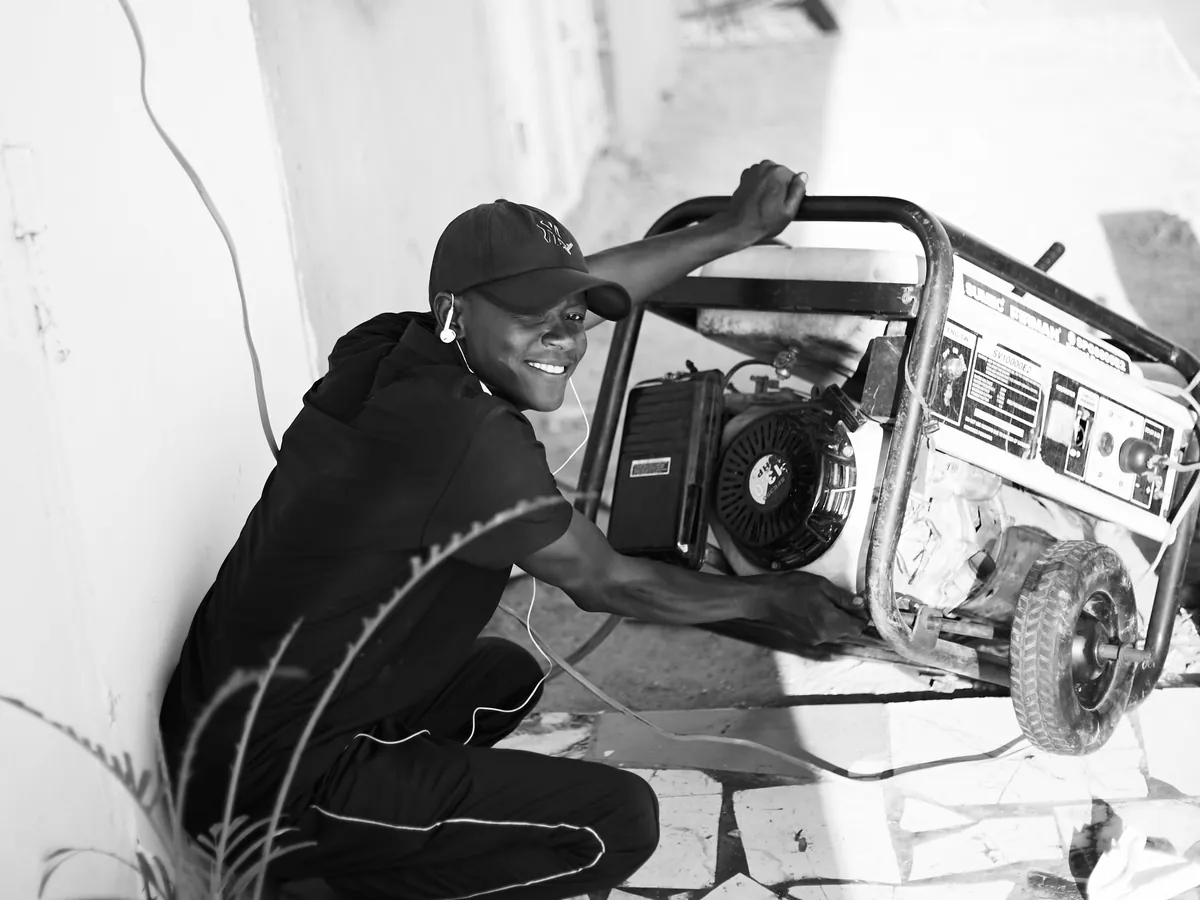
The labor line is the widest in the table, and legitimately so. A standby install means: a concrete pad poured level beside the house, a fuel line run (natural gas from the meter, or a propane tank plumbed in), a transfer switch wired between the meter and the panel so the unit takes over within seconds of an outage, permits and inspection, and a startup commissioning. $1,500 covers a unit dropped next to an accessible gas line and panel; $5,000 covers long runs, panel upgrades, propane tank installation, or difficult access. The transfer switch alone — the piece of electronics that makes the generator “automatic” — is roughly $1,200 of the total, and it is not optional: without it you own an expensive manual machine.
Two quirks worth knowing before you quote-shop: the pad is priced by the square foot, and some jurisdictions treat generator fuel plumbing as gas-fitting work requiring a licensed specialist — both are reasons two quotes for the same unit can legitimately differ by thousands.
Standby vs. Portable: The Honest Comparison
| Standby (20-24 kW) | Portable (3,500-7,500 W) | |
|---|---|---|
| Cost | ~$5,000-$8,000 installed | $500-$3,000 (Honda from ~$1,310) |
| What it runs | The whole house, automatically | Fridge, some lamps, maybe a window AC |
| Startup | Seconds, hands-free, even away | You roll it out, fuel it, run cords |
| Fuel | Natural gas or propane, days of runtime | Gasoline cans, 8-12 hours per tank (typ.) |
| Upkeep | Annual service like a car | Rarely done, should be |
| Refeed risk | None (never back-feeds) | Real if mis-connected |
The portable wins on pure dollars — even the premium Honda tier at $1,310 sits under a standby’s transfer switch alone. It loses on the two things outage victims actually remember: refrigeration and heat through a multi-day outage, and not being home when the power dies. A portable that runs the fridge and phone chargers through a 12-hour blackout is the rational buy for occasional outages; a standby is for households with medical equipment, a well pump, long or frequent outages, or houses that are simply unlivable at 50°F indoors.
The Costs After the Purchase
Fuel: a standby burning propane or natural gas consumes fuel at a rate that scales with load — hours-long outages become a real fuel bill, and propane installations need tank capacity sized for multi-day runs. Gas-line-connected units trade that logistics for a meter spin.
Service: standbies want the same discipline as a car — oil, filters, and an annual exercise cycle. Skipping it is why generators discovered dead during the outage are a genre; budget a small annual service cost and actually schedule it.
Depreciation and home value: a professionally installed standby holds value better than most home equipment — buyers in outage-prone regions treat it as an amenity — but treat the $5,000-plus as resilience spending, not an investment with a payback, unless outages are genuinely frequent where you live.
Who Should Buy Which
Standby: well pumps, medical devices, work-from-home dependence, rural feeders that see days-long outages, or any household that has already lived one memorable week without power. In those cases the premium buys something ports can’t: automatic, whole-house, unattended.
Portable: outages that are rare and short, a budget that blinks at $5,000, or anyone who wants coverage this weekend instead of a three-week install queue. Buy the inverter type if you’ll run electronics, store fuel properly, and never run it indoors or in a garage.
Neither yet: if outages in your area are measured in blinks rather than days, the honest answer is that $5,000 buys a lot of attic insulation and annual maintenance — resilience spending that pays every single year instead of only during outages.
Bottom Line
A true whole-house standby generator runs $5,000 to $6,500 in equipment and lands near $5,090 installed on average, with legitimate quotes anywhere from $1,524 to $8,658 depending on size, fuel run, and transfer-switch complexity — and a portable at $500 to $3,000 covers essentials for a fraction of it. Price the job by its parts (labor, transfer switch, pad, permits) so quotes are comparable, and match the tier to your outage reality rather than to the worst news week of the year. If grid strain has you thinking about bills as well as outages, our winter heating cost guide covers what this season’s fuel prices mean for the other half of your energy spending.
FAQ
How much does a whole-house generator cost installed?
$1,524 to $8,658, averaging about $5,090, per Angi contractor data. A true whole-house 20-24 kW unit carries $5,000-$6,500 of equipment alone, with $1,500-$5,000 of labor, a ~$1,200 transfer switch, and permits bringing the total — so most real quotes for a genuine whole-house install land between $5,000 and $8,000.
What size generator runs an entire house?
A 20-24 kW standby covers a typical whole house including HVAC — that’s the class carrying $5,000-$6,500 in equipment cost. Smaller 10-14 kW units run essentials only (fridge, well pump, key circuits) and are what pull installed quotes toward the low end of the range.
Is a portable generator a good alternative?
For rare, short outages, yes: $500-$3,000 buys a machine that keeps the fridge, lights, and phones alive, and even Honda’s premium portables start around $1,310 — under a standby’s transfer switch alone. It’s the wrong tool for multi-day outages, well pumps, medical loads, or anyone who may not be home when the power dies.
How much does it cost to maintain a standby generator?
Plan on an annual service — oil, filters, and a check of the exercise cycle — on the same discipline as a car. It’s a modest yearly cost against a $5,000-plus purchase, and skipping it is the most common reason generators fail during the exact outage they were bought for.