
Plan on 1% to 2% of your home’s value per year, which means $3,000 to $6,000 on a $300,000 house. A realistic first-year budget for that same house runs $2,600 to $6,250, and a lot of it shouldn’t get spent at all. The job of a maintenance budget is to hold money calmly until the roof or the water heater calls its number. The percentage rule sets a decent target; a component-by-component sinking fund makes it precise.
Where the 1% to 2% Rule Comes From
It’s a planning heuristic passed between home inspectors and lenders, not a law of physics, and it fails in predictable directions. Costs track component age, not home value, so a $300,000 1970s ranch with original systems can outspend a $450,000 2015 build for years running. New construction often stays under 0.5% annually through its first five years, while a century home in a heavy year can hit 3% to 4%. Use the rule to set the savings target, then correct it with the arithmetic below.
A Realistic First-Year Budget on a $300,000 House
| Line item | Typical annual cost |
|---|---|
| HVAC service, spring and fall | $150 to $400 |
| Gutter cleaning, twice yearly | $150 to $300 |
| Filters, caulk, detectors, weatherstripping | $100 to $250 |
| Pest prevention or treatment | $0 to $300 |
| Plumber and electrician odd jobs | $200 to $500 |
| Surprise allowance | $500 to $1,500 |
| Sinking fund contribution | $1,500 to $3,000 |
| Total | $2,600 to $6,250 |
That first-year total runs $2,600 to $6,250, under the 1 percent line if the house checks out and brushing past 2 percent if it doesn’t. The surprise allowance isn’t optional either; houses without one end up funding emergencies on a credit card at 20-plus percent. Notice what’s missing: the big-ticket replacements aren’t in there at all. Those belong to the sinking fund, which is the next section. Skipping the two HVAC tune-ups to save $300 is the classic false economy, since annual HVAC maintenance is what stretches expensive equipment toward the far end of its lifespan.
The Big Five Lumpy Expenses
Five components cause most of the damage over a decade of ownership, and each has a lifespan worth knowing cold:
| Component | Typical lifespan | Replacement cost |
|---|---|---|
| Asphalt shingle roof | 20 to 30 years | $9,000 to $18,000 |
| HVAC system (AC and furnace) | 15 to 20 years | $8,000 to $15,000 |
| Tank water heater | 8 to 12 years | $1,400 to $3,000 |
| Exterior paint, stain, and sealing | 5 to 10 years | $3,000 to $8,000 |
| Major appliances, each | 10 to 15 years | $500 to $1,500 |
Lifespans swing with climate and install quality. A roof in a hail corridor can age twice as fast, and a water heater with hard water and no annual flush dies young. Our water heater replacement cost guide prices that line item in detail, and our roof replacement cost guide does the same for shingles.
The Sinking Fund That Actually Works
Divide each replacement cost by its lifespan and save that much every year. It’s boring, and it works:
| Component | Cost | Lifespan | Save per year |
|---|---|---|---|
| Roof | $14,000 | 25 years | $560 |
| HVAC | $11,000 | 17 years | $650 |
| Water heater | $2,000 | 10 years | $200 |
| Exterior paint and sealing | $5,000 | 8 years | $625 |
| Appliances (four) | $4,000 | 12 years | $330 |
| Total | $2,365 |
Add the $600 to $1,750 of baseline annual upkeep from the earlier table and you’re at roughly $3,000 to $4,100 a year, right inside the 1% to 2% band for a $300,000 home. That’s the whole trick: the rule of thumb and the component math agree with each other, which is why both are worth keeping around.
Adjust the inputs to your house. Double the roof line if yours is at year 20, or zero out appliances if the sellers just installed a kitchen suite. Dry-climate owners can stretch the paint line, and two houses on the same street can legitimately fund very different amounts. If a big item fails before the fund catches up, a home equity line opened while nothing is wrong is the cheapest bridge; only open one if you trust yourself not to touch it for anything else.
DIY vs Hire: Where to Draw the Line
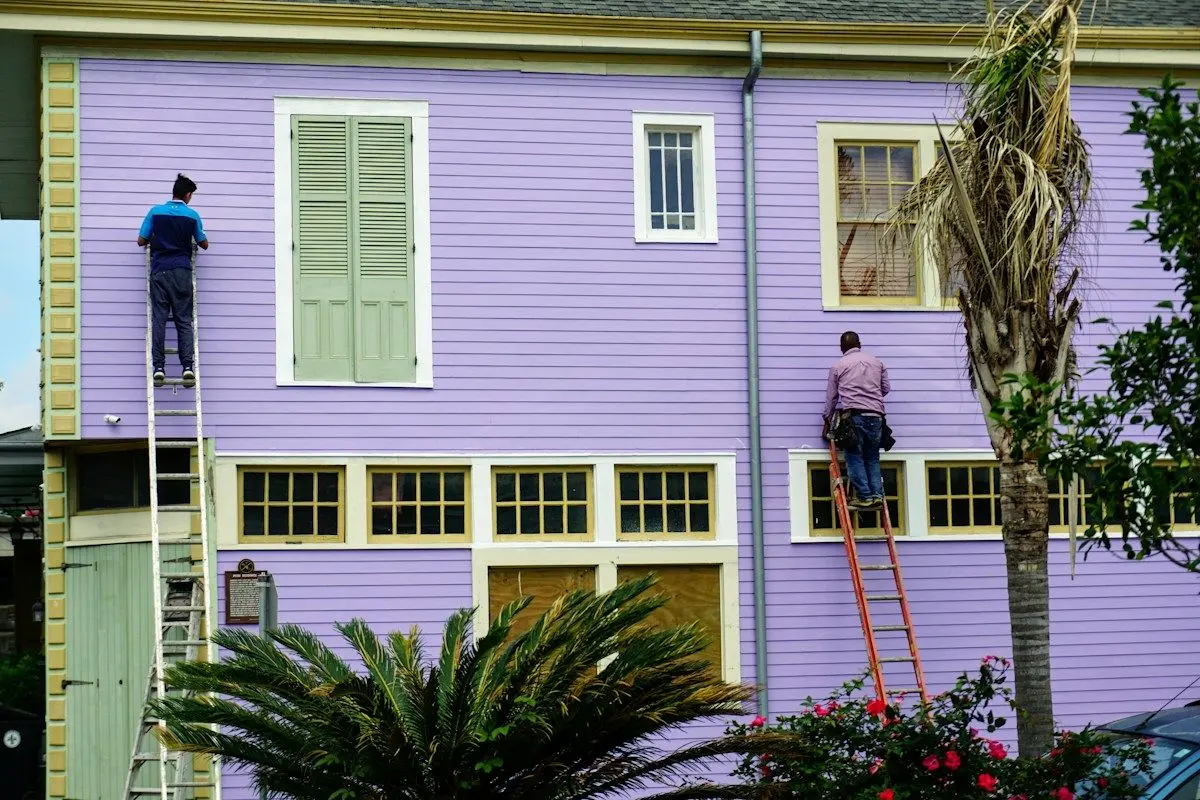
Safe and sensible DIY: furnace filters, caulk and weatherstripping, detector batteries, interior painting, an annual water heater flush, gutter cleaning on a single story with a stable ladder. That list is worth $500 to $900 a year in avoided service calls, and it builds the familiarity that helps you judge the pros later. A basic tool kit runs $50 to $150 up front and pays for itself within the first two DIY seasons.
Hire it out: anything with gas, anything inside the electrical panel, any roof work above a single story, and all refrigerant work. The DIY failure mode is specific and predictable: a $300 repair done wrong becomes a $3,000 repair done twice. A bad ladder fall costs more than either.
The Inspection-Based Prioritization Trick
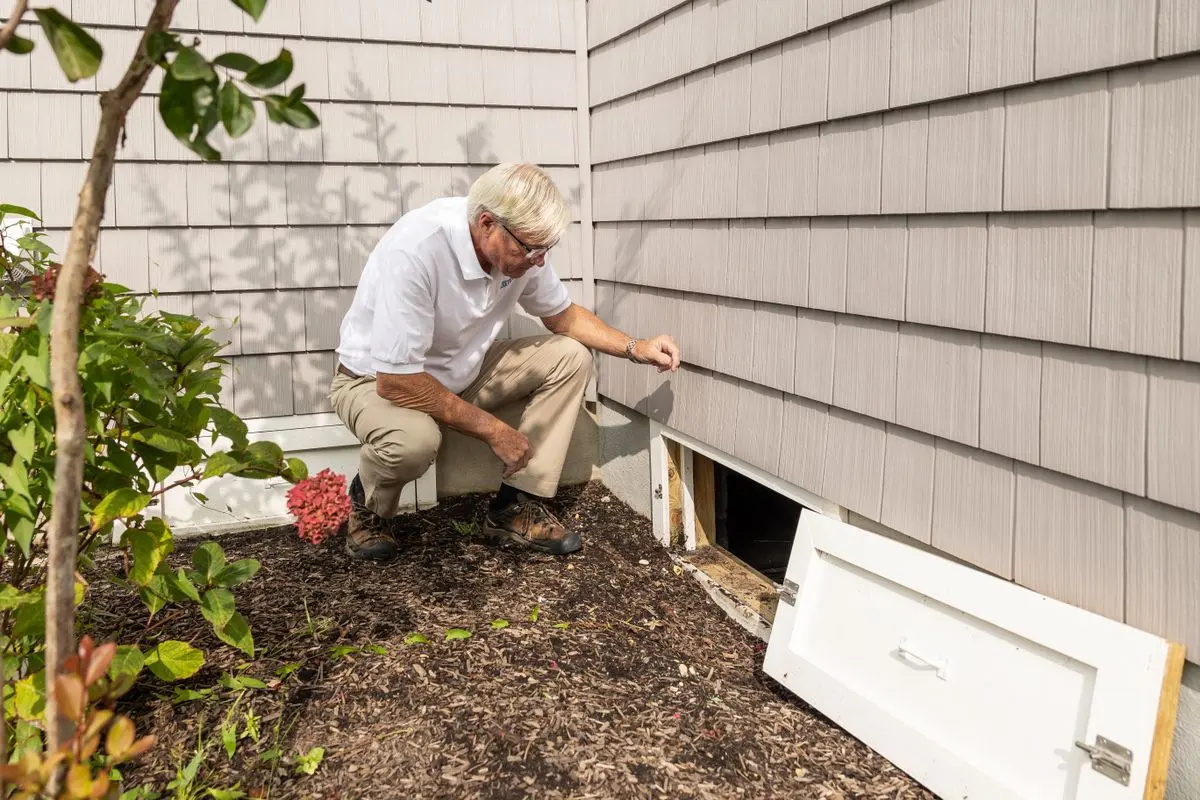
Twice a year, walk the house like an inspector with a clipboard. Look for attic stains after a hard rain, downspouts discharging at the foundation, cracked caulk at tubs and siding, swings in water pressure, rust at the water heater’s base, and scorch marks in the electrical panel. Twenty minutes per season catches most problems while they’re still cheap. Photograph what you find with the date visible; twelve months of dated photos turns a stain that might be old into a trend line.
Rank what you find in this order: water first, because it compounds; safety second, because it doesn’t negotiate; efficiency and cosmetics after that. If you’ve just bought the house, spend $150 to $400 on an independent inspection even in a hot market. The report converts into a five-year priority list with prices attached. When the big quotes start arriving, screen the contractors against our quote red flags checklist before anyone collects a deposit.
Bottom Line
Budget 1% to 2% of home value, but earn the number. Build the sinking fund table from your own components and let it tell you whether your house is a 1% house or a 2% house. Keep the money in a separate high-yield savings account so the roof fund doesn’t quietly become vacation fund. Service the HVAC on schedule, and flush the water heater once a year. Walk the house twice a season. The budget’s real product is calm: when the water heater dies at year nine, it’s a withdrawal, not an emergency.
FAQ
Is 1% a year enough for an older home?
For homes over 50 years old with aging systems, 2% is the more honest floor, and heavy years can run higher than that. The component math beats the percentage: list your roof, HVAC, water heater, exterior, and appliances with their ages, then fund accordingly. Age drives the budget, not the formula.
What counts as maintenance versus an improvement?
Maintenance restores what you already have: a water heater swap-in, shingle repairs, exterior paint. An improvement adds something new, like a deck or a remodeled bath. Fund maintenance from the sinking fund and treat improvements as separate planned purchases, or the two will quietly cannibalize each other.
Where should I keep the maintenance fund?
In a separate high-yield savings account, not investments you might have to sell during a bad week. The money needs to be boring and available within a day or two when the furnace dies in January. If it earns a little interest while it waits, so much the better.
How do I know what my house will need next?
Map each major component with its install year: roof, HVAC, water heater, appliances, exterior paint. Anything within five years of its typical lifespan moves to the top of both the funding list and the inspection checklist. A $150 to $400 independent inspection is the fastest way to build that list on a house you just bought.