
A standing seam metal roof costs $12 to $20 per square foot installed, against $4.50 to $7.50 for architectural shingles. On the same 20-square roof, that’s roughly $28,000 for metal versus $12,000 for shingles, a gap of about $16,000. Metal lasts 40 to 70 years where shingles last 20 to 30, so the honest question isn’t which roof is cheaper. It’s which roof costs less per year you actually live in the house.
Run that per-year math and the answer changes with your time horizon. Sometimes metal wins big. Sometimes it’s the wrong purchase entirely. Here’s the full comparison.
The Numbers Side by Side
| Architectural shingles | Standing seam metal | |
|---|---|---|
| Installed cost, 20-square roof | $9,000 - $15,000 | $24,000 - $40,000 |
| Realistic lifespan | 20 - 30 years | 40 - 70 years |
| Cost per year over one install | ~$300 - $750 | ~$350 - $1,000 |
| Repair cost and access | Cheap; any roofer can do it | Costlier; fewer qualified crews |
| Weight | ~2.5 - 4 lbs per sq ft | ~1 - 1.5 lbs per sq ft |
| Fire and hail performance | Class A fire; hail resistance varies | Class A fire; Class 4 impact options |
| Resale effect | Neutral | Market-dependent |
| Cooling-season value | Standard | Reflective finishes help |
Cost Per Year: Where the Math Actually Lands
Divide installed cost by realistic lifespan and the gap narrows fast. Shingles at $12,000 over 22 years run about $545 a year. Standing seam at $28,000 over 50 years runs about $560 a year. Per year, they’re nearly identical.
Metal’s financial case rests on three things, and only three: you install once instead of twice, you skip the second tear-off cycle around year 22, and reflective finishes cut cooling costs in sunny climates. Compare two full lifetimes and metal pulls ahead. Two shingle roofs over 50 years cost roughly $24,000 before material inflation, which has been real in roofing. One $28,000 metal roof beats that, and the margin widens the longer you stay and the hotter your climate.
Now the flip side, because this is where people overspend. If you might move within 10 to 15 years, metal is usually the wrong buy. You’ll recoup some of the premium at sale in markets that value it, but rarely all of it, and the per-year math above never gets time to work in your favor.
Exposed Fastener vs. Standing Seam
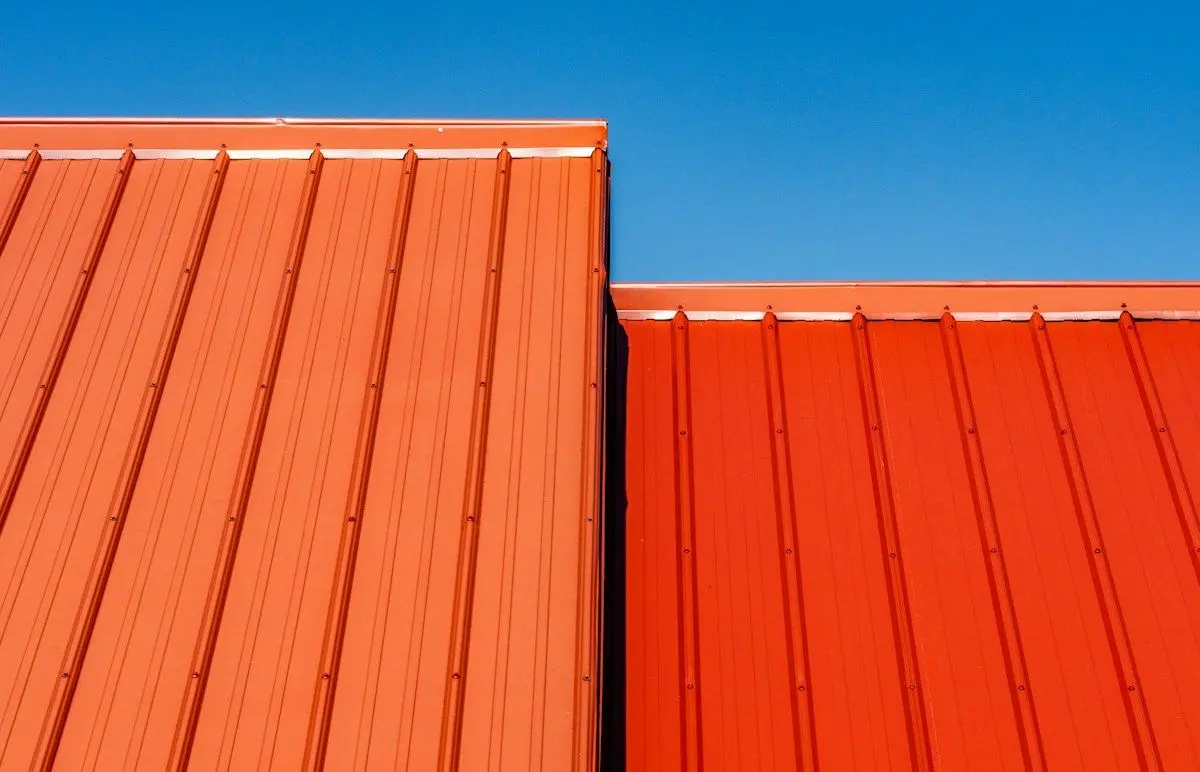
Not all metal roofing is a $16,000 upgrade. Exposed fastener panels, the ribbed steel you see on barns, run $7 to $12 per square foot installed on homes. Panels screw through to the deck with washered screws, and those washers are the weak point: they dry and loosen over 20 to 30 years, so the screws need periodic checking and eventual replacement.
Concealed fastener systems, including standing seam, clip to the deck with hidden hardware and fold or snap the seam over the fastener line, so nothing penetrates the panel field. That’s what buys the 50-year service life and the clean look. It’s also why the labor costs more: seaming is slower, long panels are often roll-formed on site, and fewer crews do it well.
A middle option deserves mention: stone-coated steel and metal shingle profiles at $10 to $17 per square foot installed. These mimic shingle looks with metal lifespan, and in a neighborhood where bright standing seam would look out of place, they’re often the smart compromise.
Three Real-World Scenarios
Same house, two bids: 20-square Ohio colonial, 8/12 pitch. The shingle version: tear-off, synthetic underlayment, ice-and-water in valleys, new boots, $12,400 total. The standing seam version: same tear-off, snap-lock panels, upgraded flashing around two skylights, $29,800 total. Gap: $17,400. The homeowner planned to stay 20-plus years, so the metal math worked, and they took it.
Budget path: 18-square single-story ranch, Kansas. Exposed fastener steel with full tear-off came in at $13,800, versus a $31,200 standing seam bid. The screw-maintenance trade-off was explained in writing. For a simple gable roof and a budget-conscious owner, a defensible middle path.
Hail-country upgrade: 18-square Denver roof. Stone-coated steel at $22,500 versus a $10,900 shingle bid. The Class 4 impact rating earned a discount on the homeowner’s insurance premium, and their agent confirmed it in advance. In hail country, that credit is part of the math, so ask your own agent before you decide.
Noise, Insurance, and Resale
Noise is mostly a myth on houses. Metal over solid decking with a normal attic and insulation is barely louder in rain than shingles. The drumming sound belongs to barns and patios with open purlins and no deck. Your roof has decking, so this shouldn’t drive the decision.
Insurance cuts both ways. Metal’s Class A fire rating and Class 4 impact-rated options earn discounts with some carriers, especially in hail and wildfire country. But some insurers charge more for metal or restrict coverage on exposed fastener systems. Price your actual policy before assuming any savings.
Resale is genuinely market-dependent. In fire-prone mountain towns and hail belts, metal is a selling point. In a subdivision of shingled colonials, a bright standing seam roof can read as odd, and buyers won’t pay for it. Honest expectation in most markets: neutral to mildly positive.
When Shingles Still Win
- You’re selling within 15 years and won’t recoup the premium.
- Your roofline is complex, because every valley, skylight, and chimney multiplies metal flashing labor.
- The neighborhood norm is shingle and stone-coated steel doesn’t fit the budget.
- You want the cheapest repair path. Anyone can patch shingles; metal repairs need the right crew, sometimes the original installer.
If a replacement is on your calendar either way, our asphalt roof replacement cost guide shows how the shingle quote gets built line by line. And if you’re not sure the current roof is finished yet, roof repair vs. replace settles that question before you price anything.
How to Pay Less on Either Roof
- Time the job to early spring or late fall in either material. Roofing labor is the biggest line on both, and it’s seasonal.
- Price exposed fastener and stone-coated steel before dismissing metal. The standing seam number you saw first is the top of the metal range, not the floor.
- Bundle gutters or skylight work into the same mobilization. Crews already up there charge far less for add-on work than a separate trip costs.
- Get the fastener and coating spec in writing. A cheaper panel with a thin coating isn’t cheaper over 30 years, and the spec sheet is how you compare bids honestly.
Mistakes That Cost Homeowners Money
- Buying metal on a short horizon. This is the most expensive mistake in the category: paying 50-year prices and leaving in year 12.
- Putting exposed fastener on a forever home without budgeting screw service. The washers wear out. Skipping the maintenance converts your bargain into a leak hunt.
- Assuming insurance savings. Call your agent with the specific product’s rating before you sign, because discounts vary by carrier and state.
- Comparing a standing seam bid to a shingle bid with no middle options priced. Ask for all three. The decision often changes.
Bottom Line
Plan on $4.50 to $7.50 per square foot for shingles or $12 to $20 for standing seam, and compare them per year instead of per project. Metal wins if you’ll stay long, live with hail or wildfire risk, and want one-and-done. Shingles win on upfront cost, repair simplicity, and anything under a 15-year horizon. Price both, plus stone-coated steel, from local crews before you commit.
FAQ
Does a metal roof really last 50 years?
Standing seam, yes: the steel itself outlives most mortgages, and 40 to 70 years is fair planning range depending on coating quality and climate. The wear items are sealants at penetrations and any exposed washered screws, which is why concealed fastener systems age best. Exposed fastener panels realistically need screw service around year 15 to 20.
Is a metal roof louder when it rains?
Not meaningfully on a house. Solid decking plus attic insulation absorbs most of the drum effect, and people inside a finished home generally can’t tell the difference. Open-framed structures without decking are where metal gets loud. Your roof has decking, so the noise objection doesn’t really apply.
Can I install metal over my existing shingles?
Sometimes, and it saves the tear-off and disposal cost, often $1,500 to $3,000 on an average roof. It depends on local code, the number of shingle layers, and whether the deck underneath is sound. One layer of sound shingles is the usual green light. Two layers or known leaks mean tear it off first.
What’s the cheapest metal roofing option?
Exposed fastener steel panels at $7 to $12 per square foot installed. You give up the hidden-fastener look and sign up for periodic screw maintenance, but the steel itself is durable and the profile suits simple gable roofs. For complex rooflines or a long-term hold, standing seam earns its premium.