
A new front door costs $700 to $2,500 installed for the steel and fiberglass doors most homes use, with plain steel prehung units at the low end and fiberglass doors with sidelights pushing toward the top. Wood runs higher still, from $1,500 past $4,000 in premium grades. It’s one of the few projects where the price-to-impact ratio genuinely favors the homeowner, because the job takes hours, not weeks, and it changes how the whole house reads from the street.
What Drives the Price
Three choices set your total: door material, whether the frame gets replaced, and what surrounds the door.
| Door type (installed) | Typical cost | Notes |
|---|---|---|
| Steel slab only, reused frame | $500-$900 | Cheapest path; only works with a sound frame |
| Steel prehung, full frame | $700-$1,300 | The workhorse replacement |
| Fiberglass prehung, full frame | $1,000-$2,200 | Better looks and insulation; dent-proof |
| Wood prehung, full frame | $1,500-$4,000+ | Premium character; needs maintenance |
| Sidelight add-on (per side) | +$500-$1,500 | Glass panel beside the door |
| Transom add-on | +$400-$1,200 | Glass panel above the door |
Hardware is a real line people forget to budget. A handleset with a deadbolt runs $100 to $400, and if you want a smart lock, add $130 to $300. Hinge and latch prep is usually included in the door price, but finish carpentry to match your interior trim sometimes isn’t, so ask.
Slab-Only vs Prehung: Why It Matters
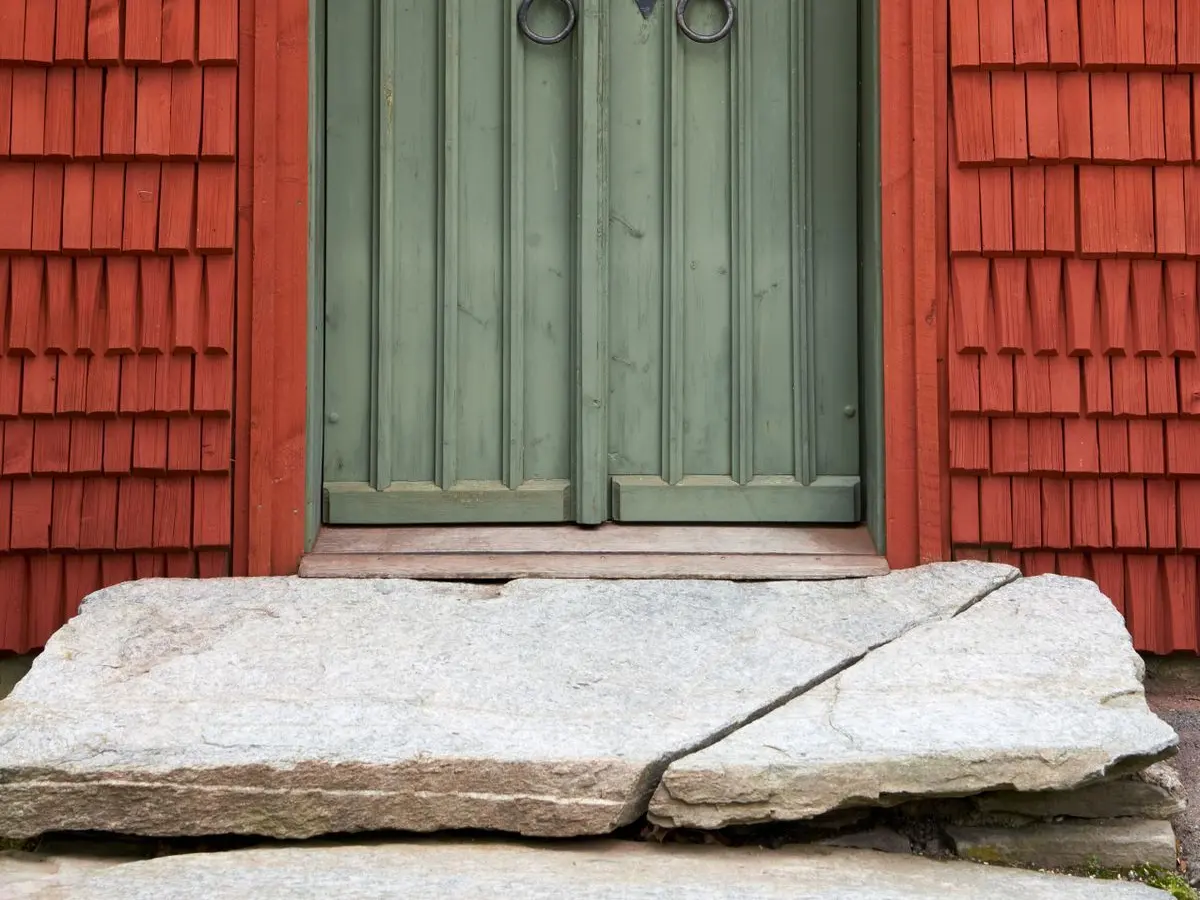
A slab is just the door. A prehung unit is the door hinged into its own frame, with weatherstripping and threshold included, ready to set into the rough opening.
Slab-only swaps make sense when your existing jamb is straight, solid, and dry, and the old door is a standard size. You save $200 to $500 in material and some labor, since the installer isn’t touching the frame. The catch is fit: a slab has to be hinge-mortised, bored for the lockset, and trimmed to fit a frame that has probably settled a little over the decades. Fit quality decides whether your new door seals tightly or whistles all winter, and slab fitting rewards an experienced hand.
Prehung replacement costs more because everything gets replaced: frame, threshold, weatherstripping, brickmould if it’s shot. It’s the right call when the jamb is soft, the threshold is rotten, or the old frame was poorly installed. It also fixes draft problems that no slab swap can, because the seal between frame and wall gets rebuilt with flashing and foam. For most doors past 25 years old, we think prehung is worth the difference.
Three Real-World Examples
Budget steel swap on a sound frame. Slab $280, handleset and deadbolt $160, install and fitting $280. Total: about $720. This is the clean, cheap win when the frame checks out.
Standard fiberglass prehung. Door unit $1,150, hardware $220, install $550, disposal and exterior caulk $80. Total: about $2,000. This is the most common job we see quoted, and it’s the sweet spot for most homes.
Fiberglass with one sidelight and rot repair. Door-plus-sidelight unit $2,000, hardware $250, install $850, jamb rot repair on one leg $220. Total: about $3,320. The sidelight roughly doubles the unit cost, and the rot discovery is why prehung jobs should include a repair allowance in writing.
Rotted Jambs and Security Checks
The bottom of an exterior door frame is the rot capital of most houses. Water pools where the threshold meets the sill, splash-back keeps the jamb legs damp, and unseen leaks from a short or clogged roof gutter above finish the job. If you can press a screwdriver into the jamb and it sinks like cork, you need a prehung replacement plus repair of the surrounding framing, which adds $150 to $500 depending on how far the rot ran.
Here’s the security part most people get backwards. The door slab matters less than the frame it sits in. A steel door mounted in a soft wood jamb fails at the jamb the first time someone shoulder-checks it. Two cheap upgrades change that: a strike plate secured with 3-inch screws that reach the wall stud, and screws of the same length in the hinges. That’s a $10 hardware store fix that does more than paying extra for a heavier slab. Add a quality deadbolt, and the door stops being the weak point of the house.
Are Storm Doors Worth It?
A storm door adds $300 to $700 installed, hardware and all. Whether it earns its keep depends on your main door.
On an old wood door with single glass, a storm door adds an insulating air gap, protects the finish from rain, and lets you open the main door for airflow in spring. That’s a genuine win. On a modern fiberglass or steel door with a tight seal and low-E glass, a storm door mostly adds a second thing to maintain, and on dark-colored doors in full sun it can trap enough heat to void the main door’s warranty. Check that warranty before buying; this is a documented issue, not folklore.
Our general take: skip the storm door on any door newer than 15 years, add one to protect an exposed wood door, and put the $500 toward the best main door you can afford instead.
What You Get Back
Front doors consistently rank at the top of remodeling cost-recovery studies because the job is small and the effect is large. Recent Cost vs Value reporting has repeatedly put a midrange steel door replacement above 100% cost recovery at sale, meaning the project returns more than it costs in added appraised value. Fiberglass upgrades recoup less, historically in the 60 to 75% range, but they add comfort the appraisal never captures.
The comfort part is real and immediate. A worn door leaks air at the threshold, the header, and every worn weatherstrip. A new prehung unit with modern gaskets and an adjusted threshold seals the worst single hole in your envelope. It won’t transform your bills the way insulation does, but it kills the draft across the entry floor and stops the dust. If you’re chasing whole-house comfort, pair this project with the windows using our window replacement cost guide, since the same crew can often quote both efficiently.
How to Pay Less
Buy the door at retail and hire the install separately. Big-box door pricing during holiday sales routinely beats contractor pricing on the unit itself, and an independent installer charges $300 to $700 for the labor you’re not marking up.
Stay in stock sizes. A 36-inch by 80-inch door is a commodity; anything custom adds weeks and 20 to 40%. Keep your existing frame if it’s genuinely sound, but be honest during the screwdriver test, because a failed slab swap that still leaks teaches an expensive lesson.
Get at least two install quotes with the same door spec, and confirm the quote includes disposal, exterior caulk and flashing, and a rot-repair allowance. A rock-bottom quote that excludes rot repair isn’t cheaper once reality shows up, and surprise change orders are among the contractor quote red flags we tell every homeowner to refuse upfront.
Mistakes to Avoid
Check the swing direction and handedness before ordering, because a door that opens into a light switch or blocks a hallway becomes a daily regret. Measure the rough opening yourself, not just the old slab, since old doors get trimmed and lie about their size.
Don’t buy a dark wood or dark fiberglass door for a west-facing entry with no overhang unless you enjoy watching finish fail. Sun exposure is the main reason pretty doors look tired in five years. And don’t cheap out on the lock: the difference between a $30 deadbolt and a $90 one is the difference between a deterrent and a decoration.
Bottom Line
Budget $700 to $1,300 for a steel prehung door installed, $1,000 to $2,200 for fiberglass, and add $500 to $1,500 per sidelight if you want them. Slab-only swaps save money on a sound frame but demand good fit work. Spend on the frame and lock before the door skin, skip the storm door on newer doors, and expect most of a steel-door budget back at sale. It’s the highest-impact few thousand dollars most entries can absorb.
FAQ
How long does front door replacement take?
A straightforward prehung swap takes a competent installer two to four hours. Add time for rot repair, sidelights, or trim work, and a complicated job can run a full day. Ordering the door itself is the long pole: stock doors arrive in days, custom units in three to six weeks.
Can I replace a front door without replacing the frame?
Yes, if the jamb is straight, solid, and dry. That’s a slab-only swap, and it saves $200 to $500. Run the screwdriver test on the jamb legs and threshold first. Any softness means a prehung replacement, because a new slab can’t fix a failing frame.
What is the best material for a front door?
Fiberglass hits the best balance of price, insulation, and low maintenance for most homes. Steel wins on cost and security ratings but dents and rusts at the bottom edge. Wood wins on looks and character but needs refinishing every few years, especially in sun exposure.
Do I need a permit to replace my front door?
Usually no, when you’re replacing a door in an existing opening with a like-for-like unit. Permits can come into play if the opening size changes, if structural framing gets modified, or if you add a window where there wasn’t one. Rules vary by city, so ask your installer, who pulls permits routinely.