
Replacing the water service line from the street to your house costs $2,500 to $7,500 in typical conditions. That covers 30 to 80 feet of new pipe, excavation, connections at both ends, and basic yard restoration. Cut through a driveway or sidewalk and the same job climbs past $10,000. The pipe itself is cheap; getting to it is the whole bill.
Who Owns What, Street to Meter
Before spending anything, know where your responsibility starts. In most systems, the utility owns and maintains everything up to the curb stop or meter, including the tap into the main and often the meter itself. You own the line from that point to your house, and leaks on your side are your bill. Rules vary by city, so call the water utility and ask them to confirm the split before any contractor starts digging.
This matters because a “bad main line” diagnosis sometimes isn’t yours at all. If the leak sits between the main and the meter, plenty of utilities fix it at no cost to you. A free phone call has saved homeowners thousands by settling ownership first.
What Drives the Price
Length and depth set the base price, and the surface above the line multiplies it. Northern homes bury lines below the frost line, four to six feet down in many states, and every foot of depth adds excavation time. Rock soil can double digging costs. Distance matters linearly: most residential runs fall between 30 and 100 feet.
| Cost item | Typical range | What moves it |
|---|---|---|
| New pipe, copper or HDPE | $300-$1,200 | Type K copper runs $8-$15/ft material; HDPE a third of that |
| Excavation, open trench | $1,500-$4,500 | Depth, soil, and access for a mini-excavator |
| Connections and fittings | $500-$1,200 | Corporation stop, curb stop, meter reconnection |
| Permit and inspection | $50-$300 | Nearly always required for service line work |
| Concrete cutting and repour | $1,500-$5,000 | Driveways and sidewalks per square yard |
| Landscape restoration | $300-$2,500 | Sod is cheap; mature shrubs and hardscape are not |
| Shoring and dewatering | $300-$1,500 | Deep holes in wet or unstable soil need it |
Shallow, soft-soil runs with grass over them are the budget case. A deep run under a concrete driveway with a gas line crossing the path is the expensive one, and contractors can usually spot which one you have before quoting.
Trench vs. Trenchless: The Cost Difference
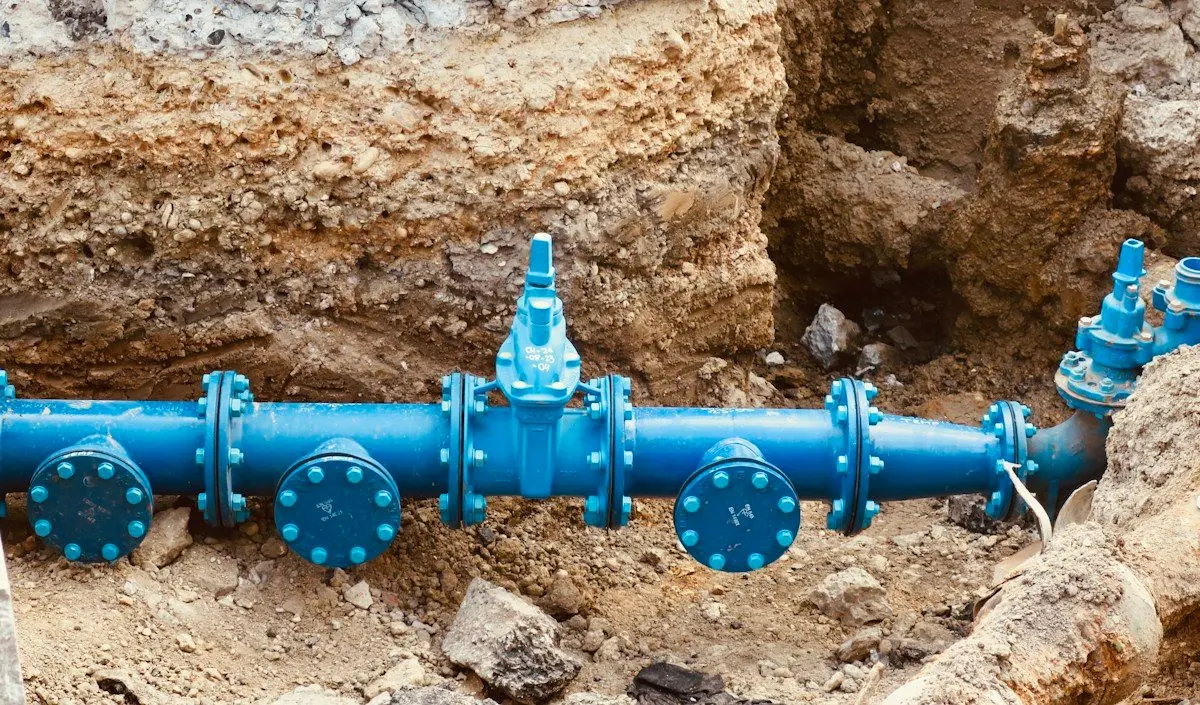
Open trenching is the traditional method: dig a continuous ditch, lay the new line, backfill, restore. It costs roughly $50 to $150 per foot depending on depth and soil. Its hidden price is restoration, because a trench through a driveway, sidewalk, or mature landscaping gets expensive fast once concrete and sod are back in place.
Trenchless pipe bursting pulls a new HDPE pipe through the old one, fracturing the old pipe outward as it goes. It runs $60 to $200 per foot plus $500 to $1,500 for the launch and receiving pits. That sounds like a premium until you price restoration: skipping the driveway cut alone saves $3,000 to $6,000 on many jobs. When the run crosses pavement you care about, trenchless usually wins on total cost. When the run crosses plain grass, open trench is usually cheaper and just as durable.
One warning: some companies market “trenchless” hard because the equipment justifies higher rates. Ask for both quotes if your site allows either method, and compare totals including restoration, not just the pipe.
Real-World Replacement Scenarios
Scenario 1: 50-foot run under a suburban side yard, three feet deep, grass only. Type K copper at $900, trench and backfill at $2,400, connections at $800, permit at $150, sod restoration at $700. Total: about $4,950. This is the most common residential service line job in the country.
Scenario 2: 60-foot run crossing a concrete driveway, done trenchless. Pipe bursting at $7,200, two access pits at $1,200, HDPE pipe at $600, connections at $900, permit at $200. Total: about $10,100. The open-trench equivalent would have added $4,500 or more in concrete cutting and repour, so bursting was the cheaper path despite the higher per-foot rate.
Scenario 3: short 30-foot run, rocky soil, shallow depth in a mild climate. HDPE at $400, difficult excavation at $2,600, connections at $700, permit at $100, patchy restoration at $400. Total: about $4,200. Rock turned a basic job into a mid-priced one without pavement even being involved.
The Lead and Galvanized Angle
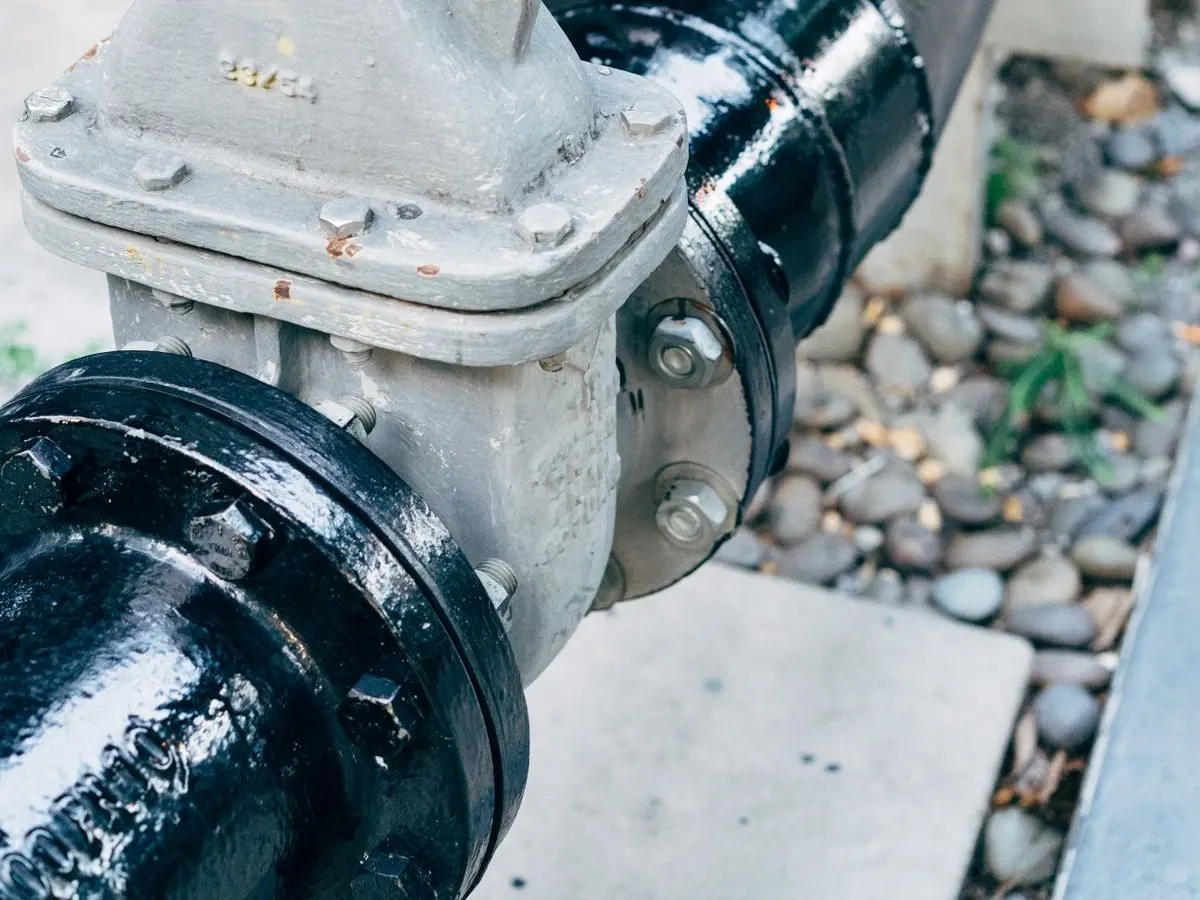
Homes built before the mid-1980s may have lead or galvanized steel service lines, and both are worth replacing on their own merits. Lead leaches into drinking water, especially in older lines with disturbed or corroded interiors; there’s no safe exposure level, so replacement is a health project as much as a plumbing one. Galvanized lines corrode from the inside, throttling pressure and shedding rust into the water.
Check what your utility offers before self-funding the whole job. Many water systems have lead service line replacement programs, some replace their portion of the line for free when you replace yours, and a few offer subsidies or low-interest financing. Federal infrastructure money has been flowing to lead line removal for a few years now, so your utility may be more generous than its website suggests. A quick call is worth more than any internet search.
Ways to Pay Less
Confirm ownership first, as covered above. A leak on the utility side is a free fix.
Compare open trench and pipe bursting bids when your site allows both. Also get a second opinion on whether full replacement is needed at all; some slab leaks and fitting failures don’t involve the service line, and what you actually need may be an interior fix like the ones in our whole-house repipe guide.
Time the restoration yourself. Letting the contractor backfill and rough-grade, then handling sod or plantings separately, often saves $500 to $1,500 versus full-service restoration.
Insist on itemized bids. “Replace water service: $6,800” hides the restoration scope, and that’s where competing bids diverge. Our contractor quote red flags list covers the vague-scope patterns to watch for.
Mistakes to Avoid
Skipping the utility locate is the dangerous one. Every state has a free 811 locate service, and any contractor who doesn’t call it is gambling with your gas line. Verify the locate happened before work starts.
Reusing the old connection hardware to save $300 is false economy on a line meant to last fifty years. New pipe deserves new stops and fittings at both ends.
Also, don’t let a pressure problem get diagnosed from the driveway alone. Low pressure everywhere can mean a failing pressure regulator inside the house, a $300 to $600 part, rather than a buried line. A real diagnosis checks the meter, the regulator, and a few fixtures before anyone rents an excavator.
Bottom Line
Plan on $2,500 to $7,500 for a straightforward service line replacement and $10,000 or more when pavement crosses the path, with trenchless bursting often the cheaper total once concrete is involved. Confirm ownership with your utility first. Then check for lead-line programs, and get restoration spelled out in every bid. The pipe is the cheap part; smart scoping of everything around it is where the money is saved.
FAQ
How long does a water service line last?
Copper service lines commonly run 50 to 70 years, and some last a century. Galvanized steel typically fails between 40 and 60 years as interior corrosion chokes flow. Plastic HDPE, the modern standard, is rated for similar or longer service than copper.
How do I know if my water main line is leaking?
Watch for an unexplained spike on your water bill, soggy or unusually green patches in the yard, a drop in pressure throughout the house, or the sound of running water with everything shut off. Your meter has a leak indicator dial; if it spins with all fixtures off, water is escaping somewhere on your side.
Is trenchless pipe bursting worth it?
When the line runs under pavement or mature landscaping, yes, usually. The per-foot price runs higher but restoration savings of $3,000 to $6,000 often cover the difference and then some. Over plain grass, open trenching is usually the cheaper and equally durable option.
Does homeowners insurance cover water main line replacement?
Rarely. Most policies exclude wear-and-tear on the service line itself, though some cover the resulting damage. Service line coverage endorsements exist, typically adding $30 to $80 a year, and they can be worthwhile on homes with aging lines. Check your policy before assuming anything is covered.