
A gaming PC’s electricity bill in 2026 ranges from about $50 a year for a modest setup to $300-plus for a flagship rig driven hard every evening — and the graphics card is responsible for most of every version of that math. The one component that decides your bill is also the one spec-sheet number you already know: NVIDIA’s own figures put an RTX 5090 at 575 watts and an RTX 4090 at 450, against a whole-console-class PC that barely draws 250 watts under load. Multiply by your hours and your utility rate — and with the US average at 18.31¢ per kWh and states ranging from 13¢ to 48¢, geography moves the answer more than any hardware choice. Here is the full cost, and how local AI workloads change it.
What a Gaming PC Actually Draws
The GPU dominates, but the rest of the system adds up. Under gaming load, a realistic breakdown:
| Component | Draw under load |
|---|---|
| RTX 5090 | 575 W (NVIDIA spec) |
| RTX 4090 | 450 W (315 W average in gaming) |
| RTX 3090 | 350 W (NVIDIA spec) |
| Mainstream GPU (60-70 class) | 130-220 W |
| CPU under gaming load | 65-125 W (est.) |
| RAM, SSD, fans, motherboard | 30-50 W (est.) |
| Monitor, 27” class | 25-40 W (est.) |
That puts a realistic whole-system range at roughly 250 W for an entry build, 400-500 W mid-range, and 600-750 W for a flagship 5090-class machine — estimates you can refine with a $20 plug-in power meter, which is the honest way to know what your box draws. At idle, the same machines coast at 50 to 100 W, which matters more than people expect: an always-on PC idling at 80 W costs more per year than the same PC gaming three hours a day.
The Annual Bill, By Setup and Habit
At the EIA’s US residential average of 18.31¢ per kWh (July 2026), gaming hours do the rest:
| Setup | System load | Hours/day | Annual kWh | Annual cost |
|---|---|---|---|---|
| Entry/mid rig | 250 W | 3 | 274 | ~$50 |
| Mid-range 4070-class | 450 W | 4 | 657 | ~$120 |
| Flagship 5090 rig | 650 W | 5 | 1,186 | ~$217 |
| Flagship + local AI runs | 700 W | 8 | 2,044 | ~$374 |
| Idle 24/7, never sleeps | 80 W | 24 | 700 | ~$128 |
Two rows deserve attention. The last full-load row is the new 2026 story: run local AI models on your GPU for hours a day — image generation, a local LLM, transcription — and your “gaming PC” becomes a data-center-class load, because AI workloads hold the card at full tilt continuously instead of bouncing between load and idle the way games do. The bottom row is the quiet one: the PC that “sleeps” badly or never turns off silently becomes your house’s fourth-largest appliance.
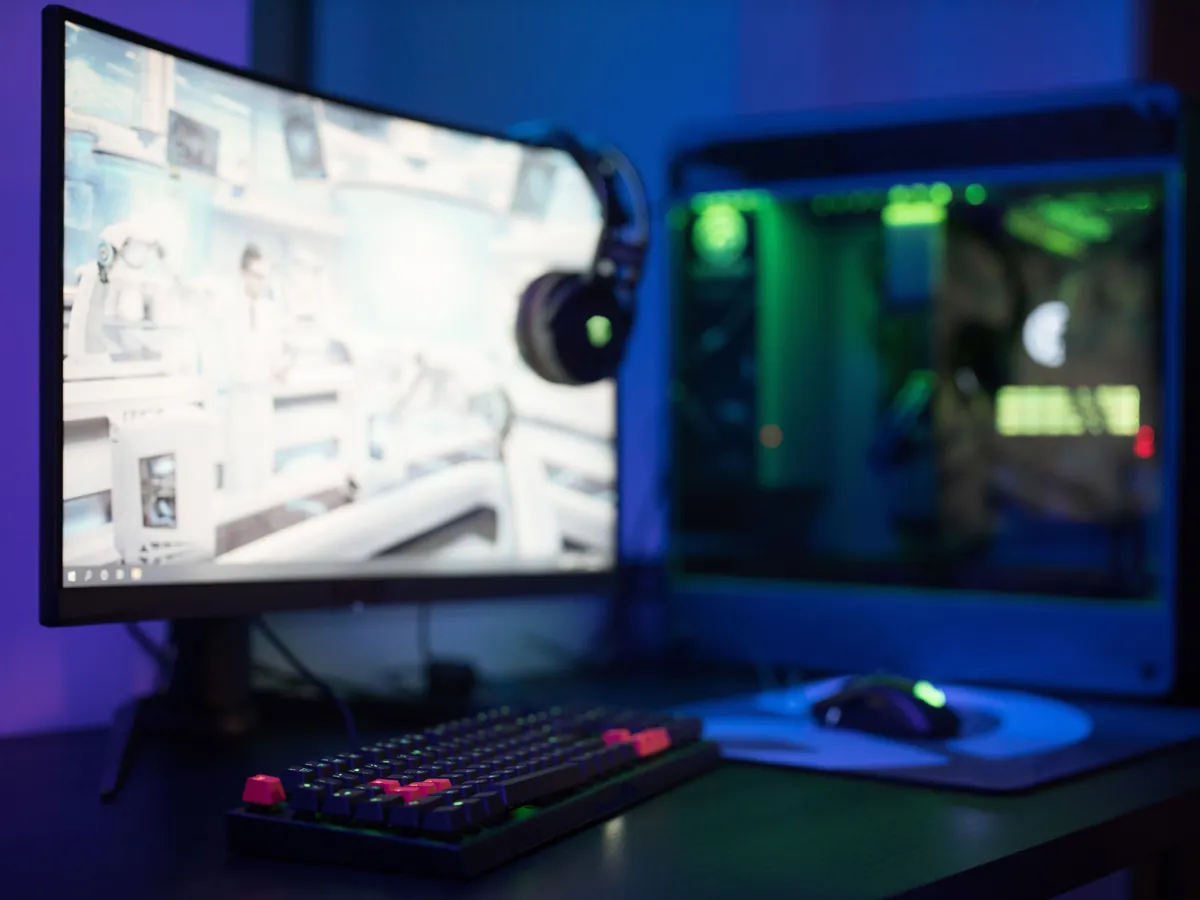
Where You Live Doubles the Bill
The same flagship rig at five gaming hours a day costs about $154 a year in a Utah-rate market (13.12¢) and $568 in Hawaii (48¢) — a 3.7× swing from geography alone, with identical hardware and identical habits. The EIA’s July 2026 spread runs from 13.12¢ (Utah) to 48¢ (Hawaii), with the national average at 18.31¢.
Time-of-use plans add the same lever in reverse: utilities in EV-friendly markets increasingly price overnight electricity 30 to 40% below peak, and a gamer already playing at 11 p.m. is perfectly positioned to exploit it. Check whether your utility offers TOU before assuming your rate is your rate.
When the PC Pays for Its Own Power
Three ways the same card earns instead of only spends — each covered in depth elsewhere on this site:
- Mining: in late September 2026 a coin spike pushed mainstream cards to $1.50-$8.70 a day gross; a 4090-class machine gaming three hours can mine the other 21 and clear its own bill several times over — while the spike lasts. The full math is in the GPU mining guide.
- AI rental: the same idle hours can host AI workloads on open marketplaces — realistic income is modest ($7 to $50 a month depending on the card), but it directly offsets the electricity line. See renting out your GPU.
- Compute you’d otherwise pay for: a local LLM or image model replaces subscription spending, and the marginal electricity per job is pennies. If you already run local AI, the bill you’re reading about is partly a substitute for someone else’s data-center bill.
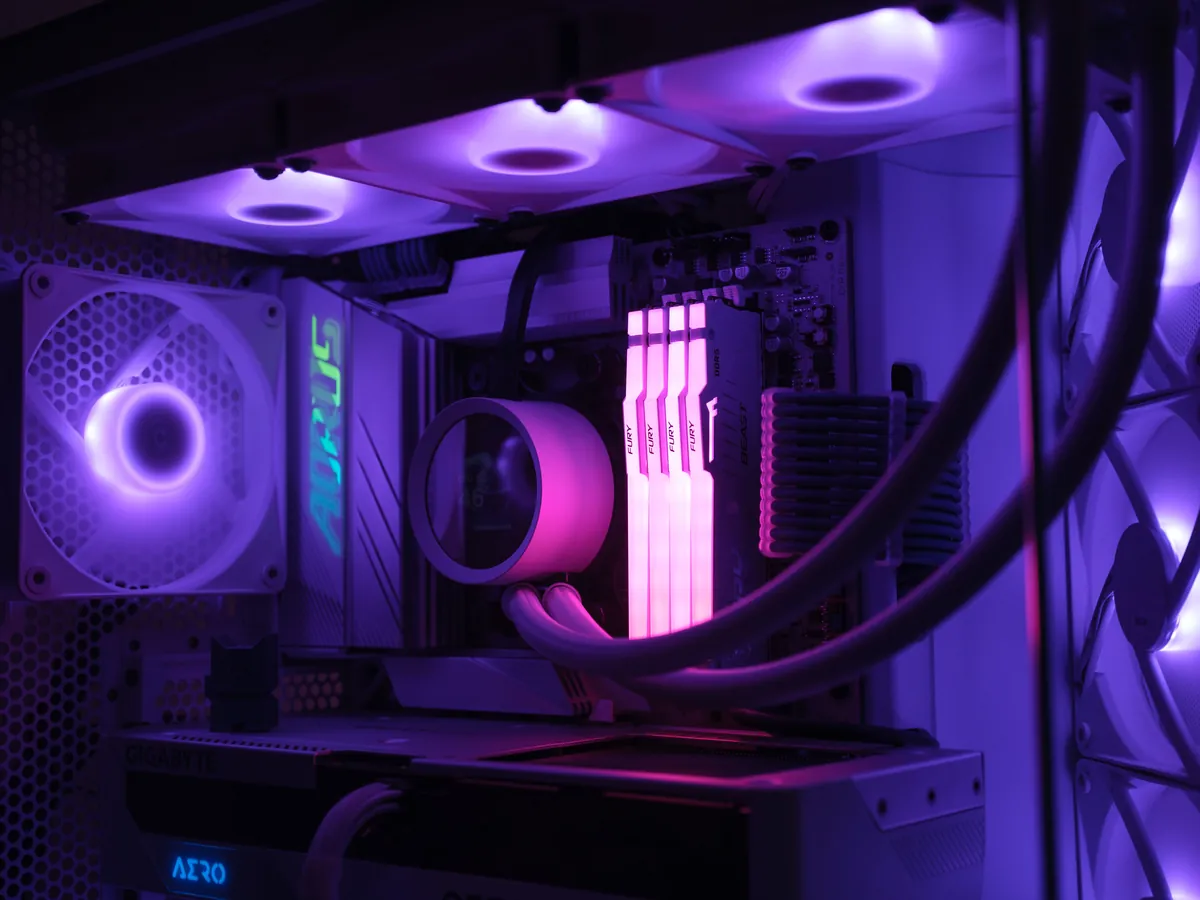
How to Cut the Bill Without Cutting Frames
Power-limit or undervolt the GPU. Trimming 10-15% of power typically costs a few percent of frame rate — the efficiency curve flattens hard at the top of every GPU’s range, and the last 50 watts buy the least performance. A one-afternoon settings change worth $15-40 a year on a flagship.
Make sleep actually work. Windows’ “fast startup” andRGB-software utilities routinely block true sleep. A PC that genuinely sleeps instead of idling at 80 W saves more than most undervolts.
Right-size the PSU. A quality 80+ Gold unit running at 50-70% of its rating wastes less power than an oversized or bargain unit — efficiency ratings are exactly about this loss.
Kill the always-on peripherals. Monitors, chargers, and RGB hubs on a switched strip. Small draws, 24/7 accumulation.
The Bottom Line
A gaming PC in 2026 costs roughly $50-$220 a year to run at typical hours — $370-plus if it’s a flagship doubling as a local AI machine — and the bill is set by three numbers you control: the GPU you bought, the hours you play, and the rate your utility charges (13¢ to 48¢ depending on state). The flagship’s electricity premium is real but small against its purchase price; the bill that actually surprises people is the idle draw on the PC that never truly sleeps. If you want the same silicon to earn its keep, start with the GPU rental income calculator or the GPU mining calculator — both run on verified 2026 rates.
FAQ
How much electricity does a gaming PC use per day?
A mid-range rig draws 400-500 W under load, so three to four hours of gaming costs roughly 1.5-2 kWh a day — about 30¢ at the 18.31¢ national average. Add 50-100 W of idle draw for the rest of the day, and the daily total lands near 2-3 kWh, or 40-55¢.
How much does it cost to run a PC 24/7?
At idle (~80 W), a PC left on around the clock uses about 700 kWh a year — roughly $128 at the US average rate, and $325+ in Hawaii-class markets. A 24/7 PC under sustained full load (local AI, hosting) is a different animal: 700 W continuous is over 6,000 kWh, well past $1,100 a year at average rates.
Does a gaming PC use a lot of electricity compared to appliances?
Less than most things that heat or cool: a gaming PC at 4 hours a day costs about $120 a year, versus a space heater run all winter ($300+), an electric dryer ($100+), or a 30-MPG car’s fuel ($1,790 at 2026 gas). It’s comparable to a large refrigerator — noticeable on the bill, not life-changing.
How do I lower my gaming PC’s electric bill?
Three moves, in order of payoff: make sleep work (kills the 24/7 idle draw), power-limit or undervolt the GPU (10-15% less power for a few percent less performance), and shift play onto a time-of-use plan if your utility offers one. A $20 plug-in power meter tells you what any of it is worth in your house.