
Basement waterproofing costs $5,240 on average, and most homeowners pay between $2,461 and $8,201, according to Angi’s 2026 data. That average hides two very different jobs. Interior systems, which collect water that has already reached the wall or floor, average about $3,000. Exterior systems, which dig down and stop water at the foundation, average about $7,000.
The right fix depends on where the water comes from, and the cheapest effective fix is often outside the basement. Below is what each method costs, what to try first, and how to read a quote.
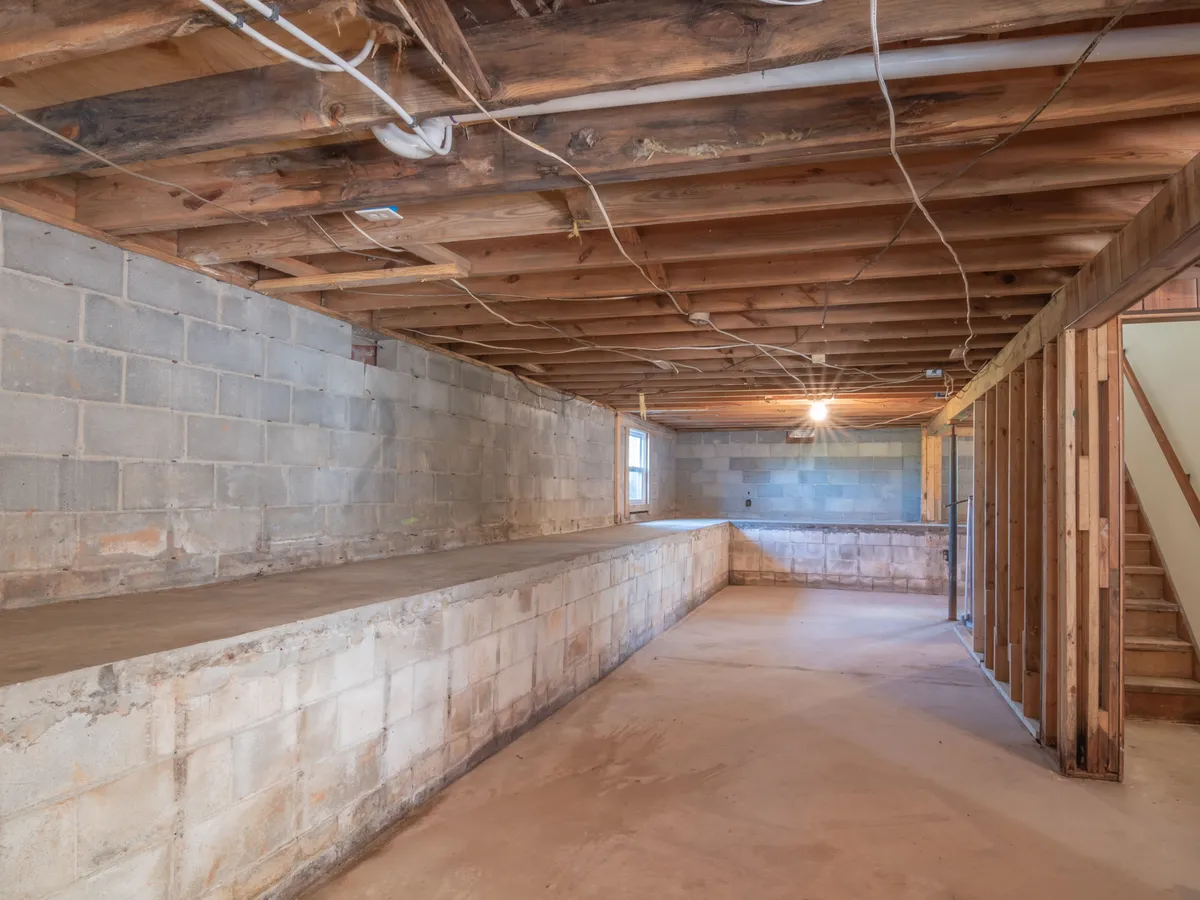
Basement Waterproofing Cost by Method
This Old House publishes a method-by-method price list that lines up with Angi’s averages:
| Method or item | Cost range |
|---|---|
| Waterproof paint or coatings | $1 - $8 per sq ft |
| Vapor barrier, full coverage | $1,500 - $3,000 |
| Interior drainage (weeping tile or French drain system) | $60 - $120 per linear ft |
| Sump pump installation | $1,200 - $2,500 |
| Crack injection | $800 - $1,500 per crack |
| Interior waterproofing, whole job | $2,000 - $6,000 (about $3,000 average) |
| Exterior waterproofing, whole job | $7,000 - $15,000 (about $7,000 average) |
| Interior and exterior combined | $8,000 - $18,000 |
Two caveats. First, crack injection prices vary a lot by source. Contractor-side guides we reviewed put structural epoxy injection at $100 to $400 per crack and polyurethane foam for active leaks at $200 to $500, far below This Old House’s $800 to $1,500. Get two quotes and ask what is included. Second, a sump pump swap in an existing pit costs less than a new pit and pump. Our sump pump replacement guide covers the swap at $450 to $1,200.
Why Interior and Whole-Perimeter Prices Differ
An average of $3,000 for interior work reflects many partial jobs, such as one wall or a short drain run. Perimeter drainage is priced per linear foot, so a full system costs more. Using the $60 to $120 per linear foot range:
| Scenario (illustrative) | Drain length | Drain cost | Plus sump pump | Total |
|---|---|---|---|---|
| Partial interior drain | 40 ft | $2,400 - $4,800 | $1,200 - $2,500 | $3,600 - $7,300 |
| Full perimeter, 25 x 40 ft basement | 130 ft | $7,800 - $15,600 | $1,200 - $2,500 | $9,000 - $18,100 |
These totals are our arithmetic from published unit prices, not quotes. They show why two contractors can quote $4,000 and $14,000 for “waterproofing” the same basement: one is pricing a section, the other the whole perimeter. Ask for the linear feet in each bid.
Fix the Water Source First
Most basement water starts outside. Pressure from saturated soil pushes water through cracks, the joint where wall meets floor, and porous concrete. FEMA’s flood guidance notes that high groundwater can raise hydrostatic pressure on basement walls and slabs enough to cause failure. That is the extreme case, but the mechanism is the same on a smaller scale in a wet spring.
Cheap exterior fixes come before expensive interior systems:
- Grade. The University of Minnesota Extension recommends soil that slopes away from the foundation at least 1 inch per foot for at least 6 feet.
- Downspouts. The same source says extensions should discharge at least 4 feet from the wall. The University of Maryland Extension suggests 10 feet for homes with basements. Longer is better for a basement.
- Gutters. Clogged or undersized gutters dump roof water against the wall. This Old House lists gutter work at $650 to $1,750. See gutter replacement cost.
If the basement stays dry after a few heavy rains with these fixed, you have saved thousands. If water still comes in, you now know the problem is groundwater and not roof runoff, and you can price a drain system with more confidence.
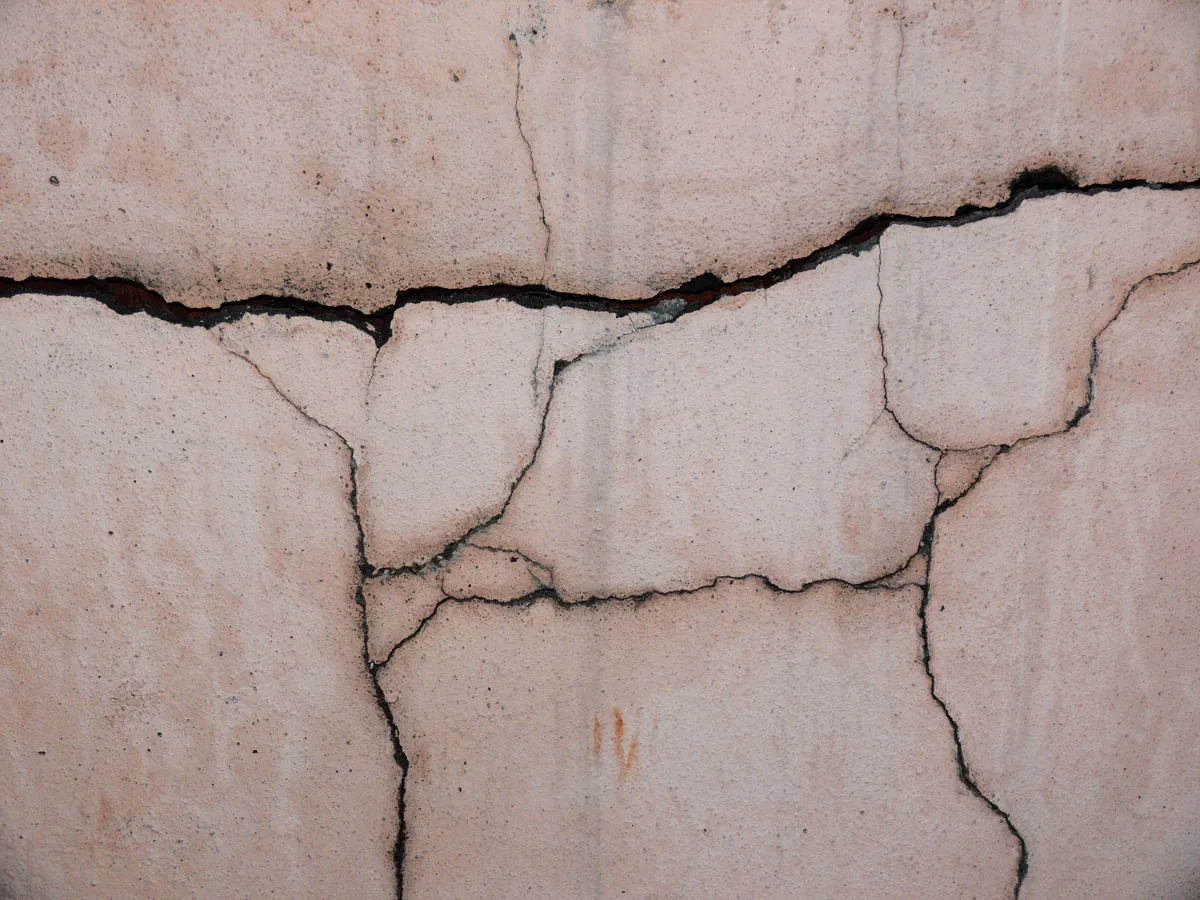
Matching the Problem to the Fix
| What you see | Likely cause | Reasonable first step |
|---|---|---|
| Damp patches, white powder on walls | Moisture through porous concrete | Fix grade and gutters, add a dehumidifier, then consider coatings |
| Water at the wall-floor joint after rain | Groundwater pressure | Interior drain and sump pump |
| One crack that weeps | Single entry point | Injection repair, with two quotes |
| Horizontal crack, bowing wall | Structural pressure | Engineer inspection before any waterproofing bid |
| Water through multiple walls | Persistent high water table | Exterior or combined system, after a second opinion |
The bowing wall row matters most. If a wall is moving, waterproofing is not the first problem, and a contractor selling only a drain system is not diagnosing it. Foundation leak repair on the This Old House list ranges from $250 to $10,000, which is a measure of how wide the unknowns are.
Costs That Follow a Wet Basement
Water damage repair runs $1,360 to $6,290 and mold remediation $500 to $3,500 on the same This Old House list. These are real costs of waiting, but they are ranges and not a prediction for your house. Check your homeowners policy as well. Standard policies generally exclude flood and groundwater seepage, and sump pump failure or water backup is often an optional endorsement. Our homeowners insurance cost guide covers what to ask your agent.
Quote Traps
- No diagnosis. A bid that arrives before anyone checks grading, gutters, or wall movement is a sales pitch. Read contractor quote red flags.
- “Lifetime warranty” with no terms. Ask whether it transfers to a buyer, what it covers, and whether the sump pump is included. Get it in writing. We found no neutral data on how often these warranties are honored, so read the contract and not the brochure.
- Interior system sold for a structural problem. A drain does not stop a wall from bowing.
- Pump size and backup missing. The pump and a battery backup are often optional line items. A system without a working pump during a power outage is not finished.
- Pressure to decide today. Water damage is slow. A quote that expires tonight is not an emergency price.
How to Budget
For a basement that seeps after hard rain, plan on $3,000 to $8,000 for an interior system. Plan on $7,000 to $15,000 if the contractor recommends excavation and exterior membrane work, and ask for the evidence that nothing cheaper will work. Water and foundation costs fit into the larger annual home maintenance budget, and one wet basement can take years of that fund in a single quarter.
Bottom Line
Angi’s $5,240 average and $2,461 to $8,201 typical range are a fair starting point, but the real number depends on method: coatings and crack injection at the low end, a full perimeter drain with a pump in the middle, and exterior excavation at $7,000 to $15,000 or more. Fix gutters, downspouts, and grade first, get the linear feet and pump specs itemized, and have a structural engineer look at any horizontal or bowing crack before you pay for waterproofing.
FAQ
Is interior or exterior waterproofing better?
Exterior work stops water at the foundation, but costs about twice as much (Angi’s averages: about $3,000 interior, $7,000 exterior) and means excavating around the house. Interior systems manage water that has already reached the wall and floor and are the more common choice. If exterior fixes cannot reduce the water, an interior drain with a sump pump is usually the practical answer.
How much does it cost to waterproof a basement per square foot?
Coatings run about $1 to $8 per square foot per This Old House. Drain systems are priced per linear foot ($60 to $120) and not per square foot, so ask contractors for linear feet, not just a total.
Does waterproofing add home value?
We found no neutral data. Claims of resale returns you will see online usually trace to contractor marketing. What it does is reduce the odds of damage and make a buyer’s inspection report cleaner. Treat it as protection, not an investment.
Can I waterproof a basement myself?
Grading, downspout extensions, and clearing gutters are routine homeowner work. Interior drains, excavation, and crack injection are not, and a poor drain install can leave you paying twice. Coatings are a DIY option for damp walls, but they do not hold back active water pressure.